Why Some People Experience Pain During Teeth Whitening
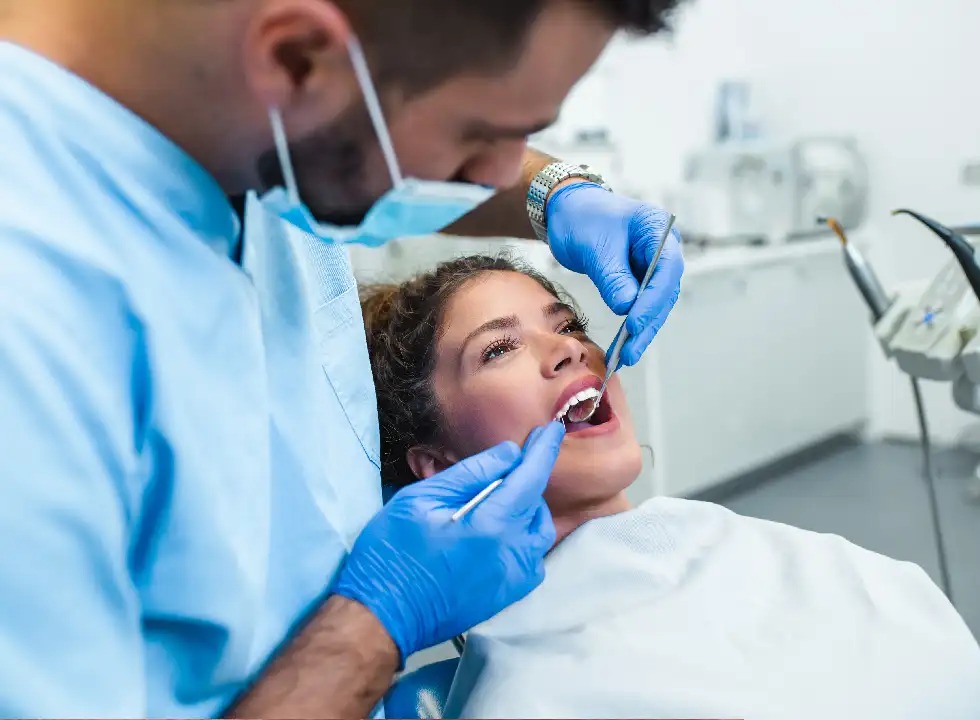
Tooth discoloration is a common problem caused by aging, certain foods, smoking, and poor oral hygiene. To fix this, many people turn to teeth whitening treatments which use bleaching agents to remove stains.
While generally safe and effective, some people experience pain or discomfort during or after the procedure. This can be a cause for concern and may discourage them from future treatments. There are several reasons why you might experience pain during teeth whitening in Abu Dhabi:
Thin enamel causes stings:
The outer shell of your tooth acts like a shield for the soft parts inside. If this shield is thin, the cleaning gel reaches the nerves much faster. This contact creates a sharp sensation that can be quite surprising. Thinner enamel is a common reason why a session feels a bit rough.
Open tubes in the dentin:
Under the hard surface lie thousands of microscopic tubes that lead to the center. When these tubes stay open, the whitening liquid flows straight to the nerve endings. This movement of fluid triggers a quick reaction that feels like a cold pinch. Some people have more open tubes than others, making them feel the sting more easily. Closing these paths before starting helps keep the whole experience very calm.
Peroxide strength is too high:
Strong chemicals work fast but they can be quite aggressive on your sensitive mouth. High levels of peroxide are used to lift deep stains that have stayed for years. While the results look great, the intensity might be too much for your nerves to handle. Using a milder mix takes more time but keeps the comfort levels high.
Gum recession adds trouble:
Gums are supposed to cover the roots, but sometimes they pull back and leave gaps. These roots do not have a hard shell to protect them from outside elements. When the gel touches these bare spots, the pain can be very direct and sharp. Protecting the gum line is a vital step to avoid any unwanted aches.
Dehydration of the tooth:
Whitening products temporarily take away the water stored inside your enamel layers. This loss of moisture makes your teeth react poorly to air or cold water. Without enough water, the nerves sit closer to the surface and feel every tiny temperature change. This sensitivity usually lasts for a few hours until the teeth soak up moisture again. Drinking plenty of water helps your mouth bounce back to normal very fast.